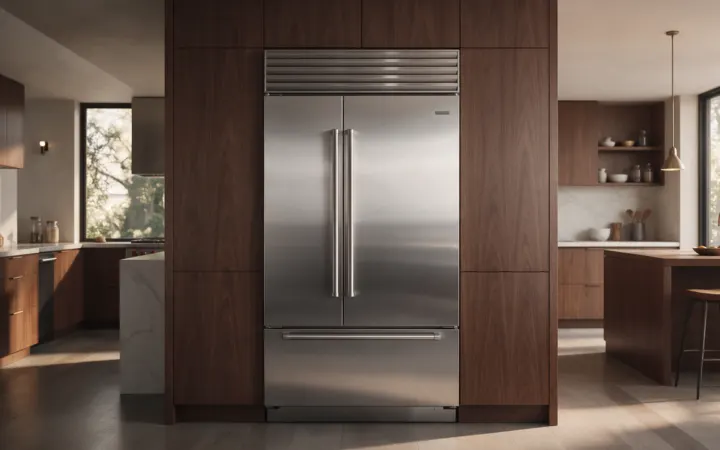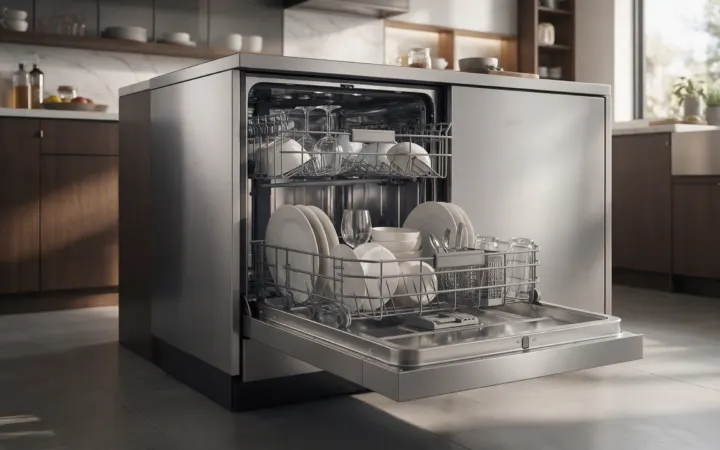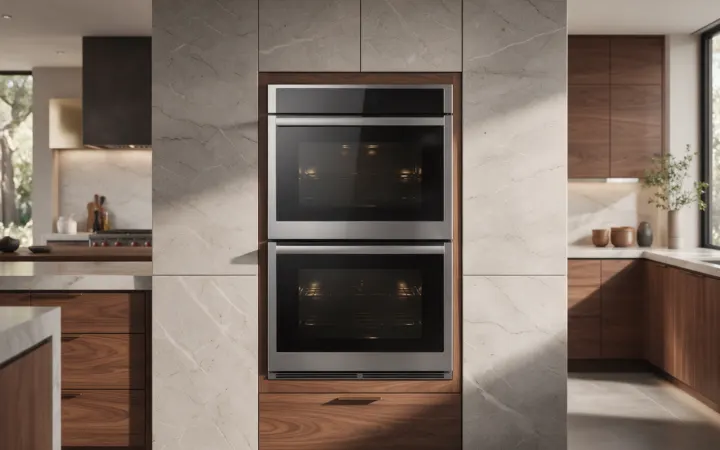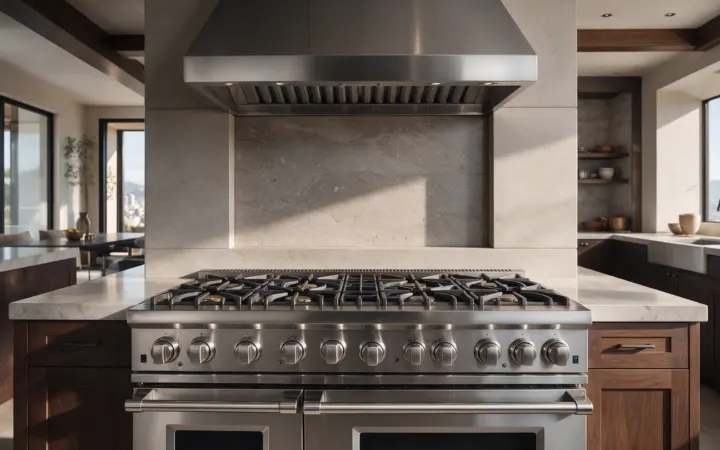
The appliance page should help users understand the product family and then move to the exact model, error-code, service, or blog layer without duplicating those pages.
Scope of the repair
The relevant diagnostic scope can include gas ignition and flame behavior, radiant elements, induction generators/zones, cookware detection, touch controls, cooling, power, and model-specific control electronics.
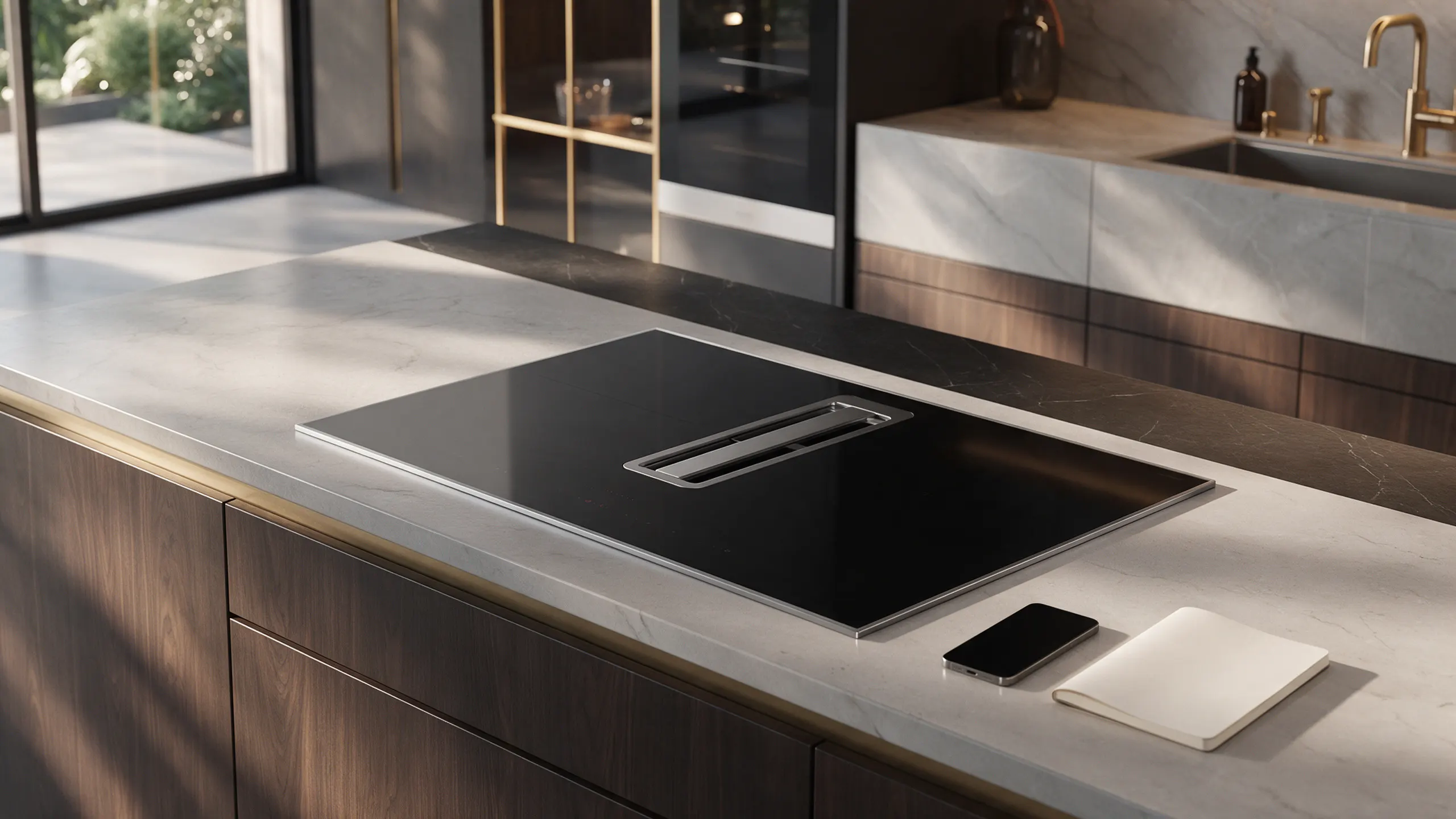
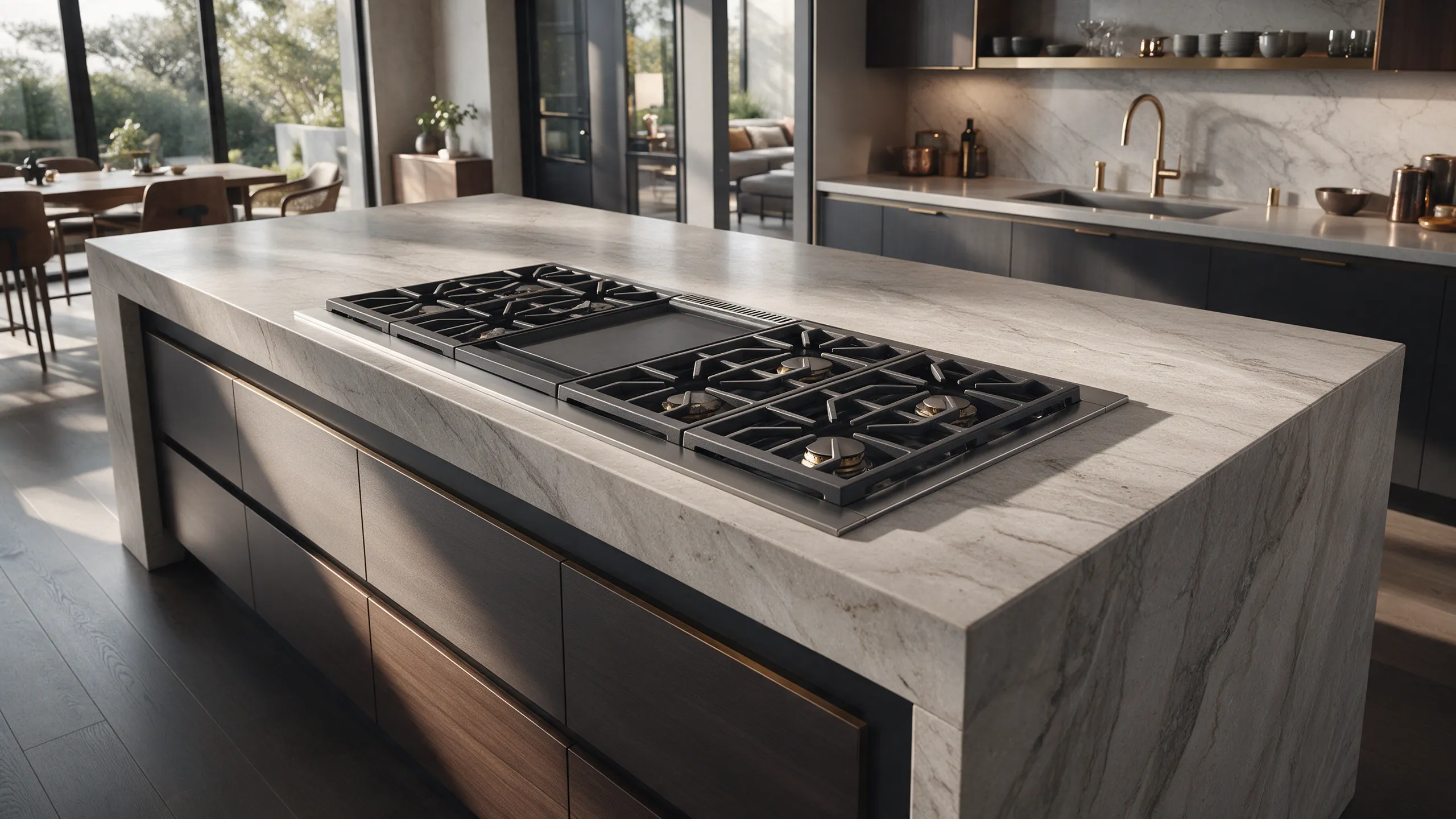
A gas burner depends on a spark module, igniter and steady fuel supply, while an induction zone depends on a generator that must sense a compatible pan before it heats.
A visible symptom narrows the path, but it does not identify a failed part by itself. The exact Viking model determines which controls, sensors, fuel/power systems, and service documentation apply.
A zone that will not heat may be reacting to cookware it cannot detect, which is a different path from a generator fault.
Model-aware diagnosis
Related Viking models include:
Use the complete rating-label model whenever possible.
Similar model numbers can differ in burner count or control layout.
Error-code and alarm context
Related codes and alarms include:
- refrigerator
E1meanings remain platform-specific; - older oven
F1is not EOC4F01; - cooktop
FCandFcremain case-sensitive separate codes; - maintenance displays should not automatically be labeled hardware failures.
Safe owner-level checks
Owner checks should remain external, observable, and reversible.
Depending on the appliance, that can include:
- recording the exact symptom before resetting;
- checking user-removable or owner-accessible parts described by the manual;
- comparing one burner, zone, compartment, cycle, or mode with another;
- noting recent cleaning, power, loading, plumbing, or weather changes;
- saving any code, alarm, or flash pattern before a normal documented reset.
Gas adjustment, line-voltage work, and induction power-electronics testing are not homeowner procedures.
When to stop using the appliance
Stop normal use for gas odor, smoke, visible arcing, persistent burning/electrical odor, repeated breaker trips, uncontrolled heat, water reaching electrical components, dangerous flame behavior, damaged glass or interlocks, or another unsafe condition relevant to the appliance.
Do not keep restarting the product simply to see whether the symptom returns.
What professional diagnosis may involve
A technician should confirm the exact model and configuration first, then evaluate the system indicated by the symptom and any verified code.
The diagnostic path may compare:
- utilities and installation;
- sensors and switches;
- controls and communication;
- heating, cooling, ignition, water, airflow, or mechanical operation;
- wiring/connectors;
- protected internal components that are not owner-serviceable.
The repair recommendation should follow test results.
Current and legacy context
Viking’s model library includes current official products and retained legacy/site-only records. Current and legacy appliances can look similar while using different controls or technical documentation.
Use this appliance reference before service
Send:
- full Viking model number;
- exact symptom;
- code/alarm if present;
- affected function;
- what still works normally;
- safe checks completed;
- service ZIP code;
- access details.