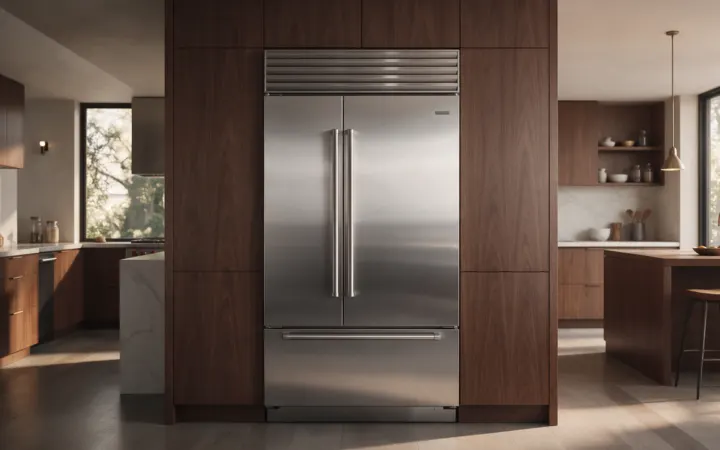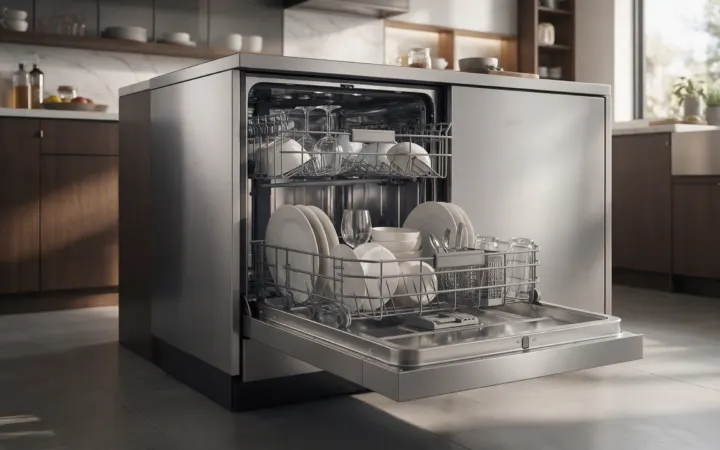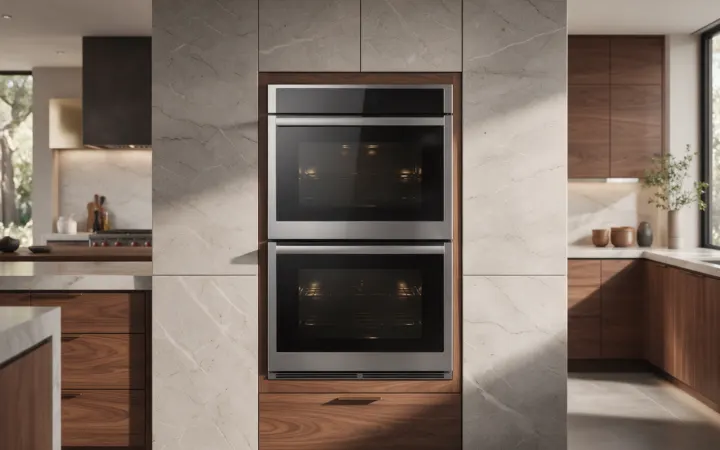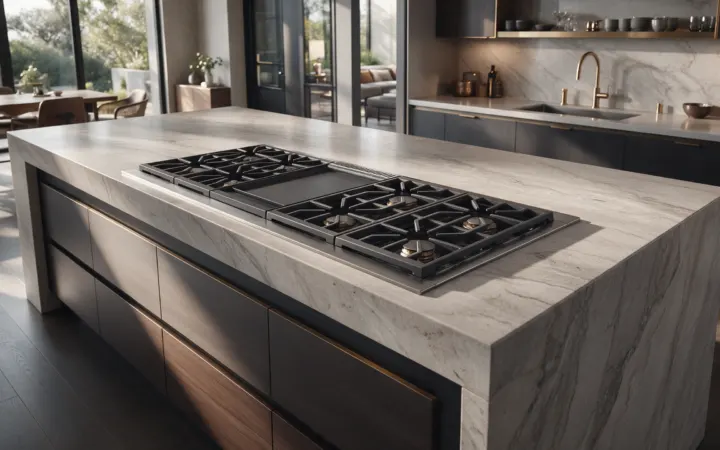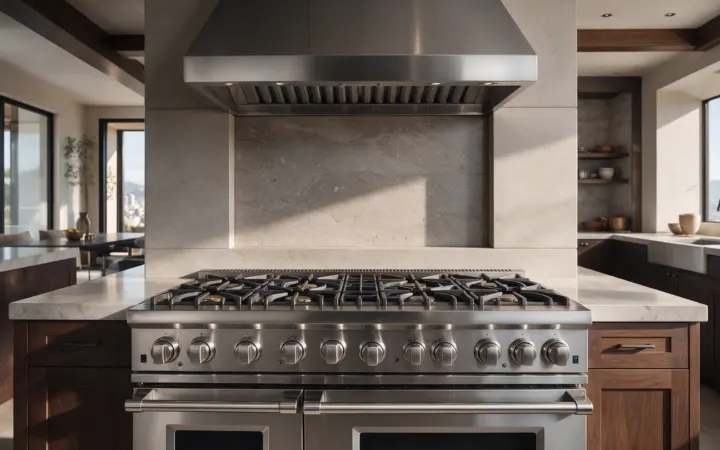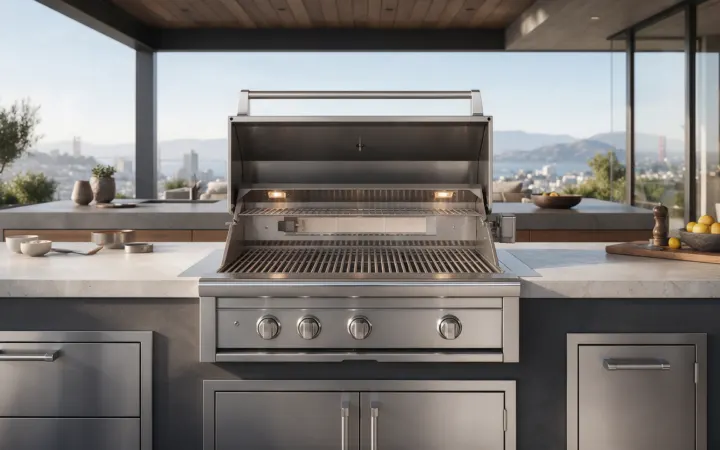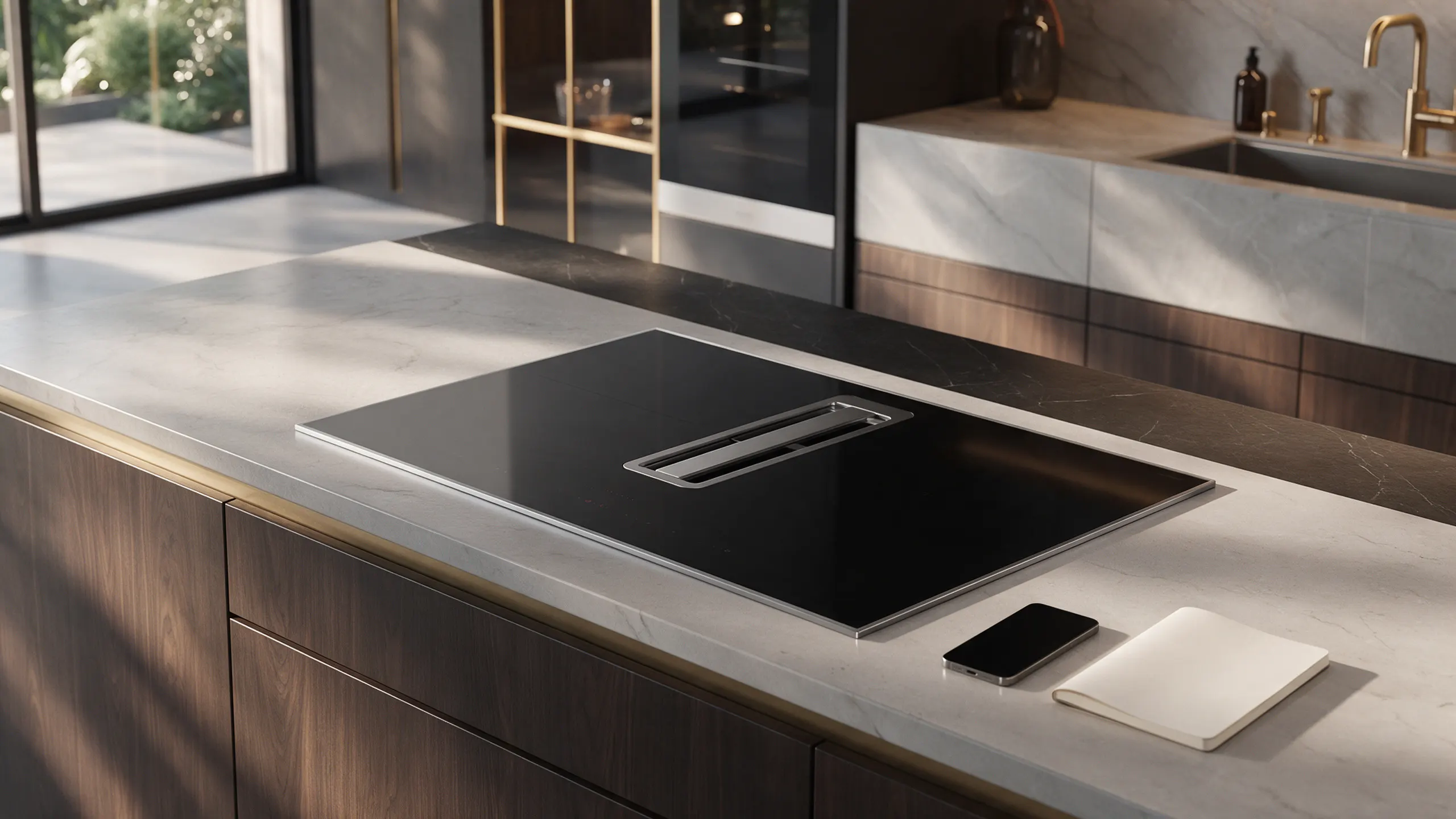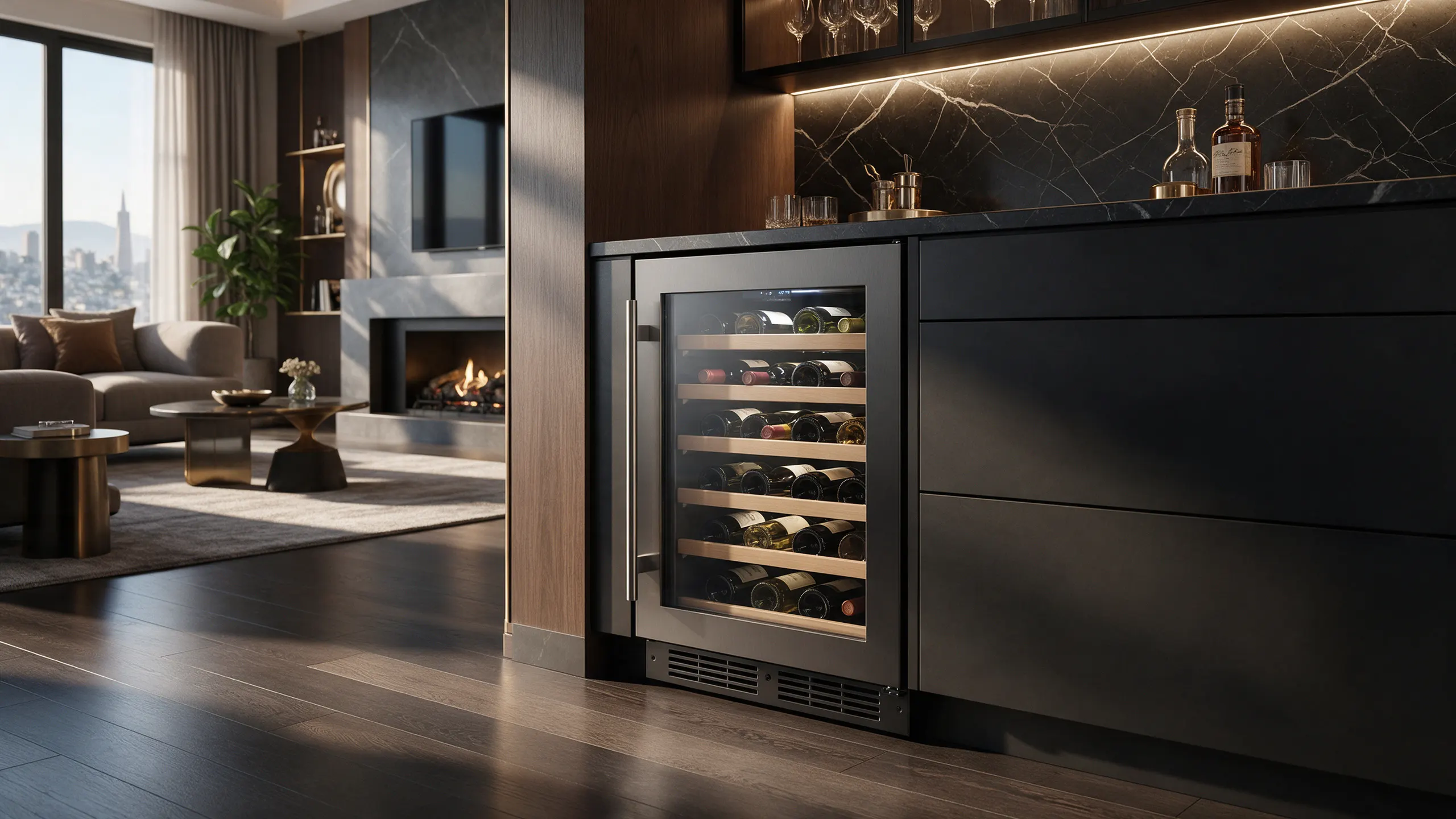
The appliance page should help users understand the product family and then move to the exact model, error-code, service, or blog layer without duplicating those pages.
Scope of the repair
The relevant diagnostic scope can include actual temperature versus setpoint, door sealing, condensation, airflow, fans, sensing, controls, cycling, and refrigeration performance.
A warm compartment can come from a door that is not sealing, restricted airflow, or a control misreading its sensor, and each needs a different test.
A visible symptom narrows the path, but it does not identify a failed part by itself. The exact Viking model determines which controls, sensors, fuel/power systems, and service documentation apply.
Model-aware diagnosis
Related Viking models include:
Use the complete rating-label model whenever possible.
Suffix letters and numbers often separate versions that share a family name but not their controls.
Error-code and alarm context
Related codes and alarms include:
- refrigerator
E1meanings remain platform-specific; - older oven
F1is not EOC4F01; - cooktop
FCandFcremain case-sensitive separate codes; - maintenance displays should not automatically be labeled hardware failures.
Safe owner-level checks
Owner checks should remain external, observable, and reversible.
Depending on the appliance, that can include:
- recording the exact symptom before resetting;
- checking user-removable or owner-accessible parts described by the manual;
- comparing one burner, zone, compartment, cycle, or mode with another;
- noting recent cleaning, power, loading, plumbing, or weather changes;
- saving any code, alarm, or flash pattern before a normal documented reset.
Do not open the sealed refrigeration system. Protect stored contents if temperature is moving outside the intended range.
When to stop using the appliance
Stop normal use for gas odor, smoke, visible arcing, persistent burning/electrical odor, repeated breaker trips, uncontrolled heat, water reaching electrical components, dangerous flame behavior, damaged glass or interlocks, or another unsafe condition relevant to the appliance.
Do not keep restarting the product simply to see whether the symptom returns.
What professional diagnosis may involve
A technician should confirm the exact model and configuration first, then evaluate the system indicated by the symptom and any verified code.
The diagnostic path may compare:
- utilities and installation;
- sensors and switches;
- controls and communication;
- heating, cooling, ignition, water, airflow, or mechanical operation;
- wiring/connectors;
- protected internal components that are not owner-serviceable.
The repair recommendation should follow test results.
A part is worth replacing only when a test shows it is the cause.
Current and legacy context
Viking’s model library includes current official products and retained legacy/site-only records. Current and legacy appliances can look similar while using different controls or technical documentation.
Use this appliance reference before service
Send:
- full Viking model number;
- exact symptom;
- code/alarm if present;
- affected function;
- what still works normally;
- safe checks completed;
- service ZIP code;
- access details.