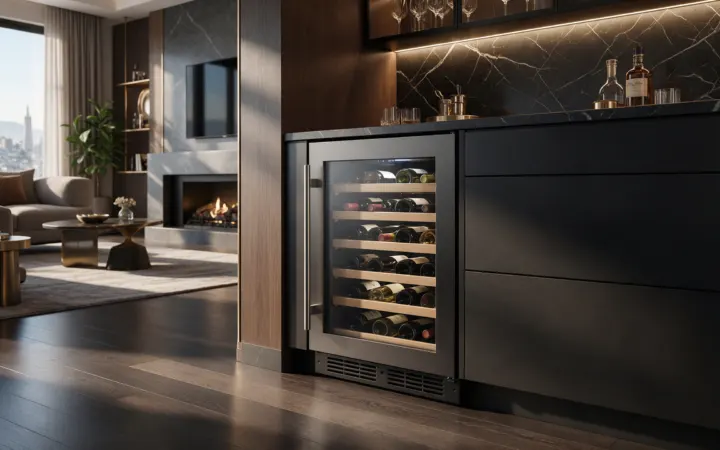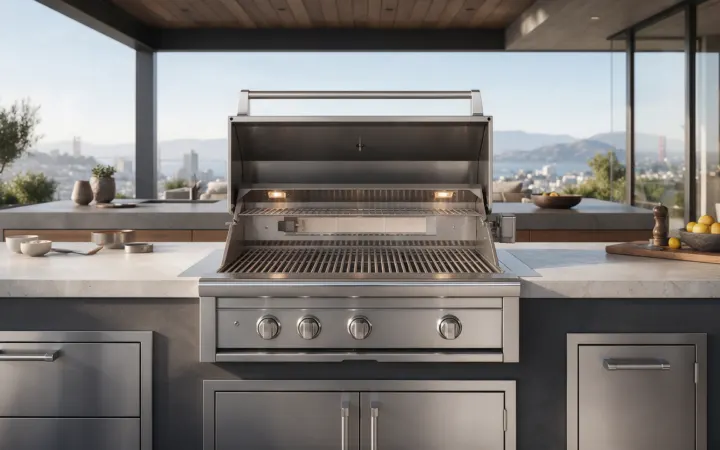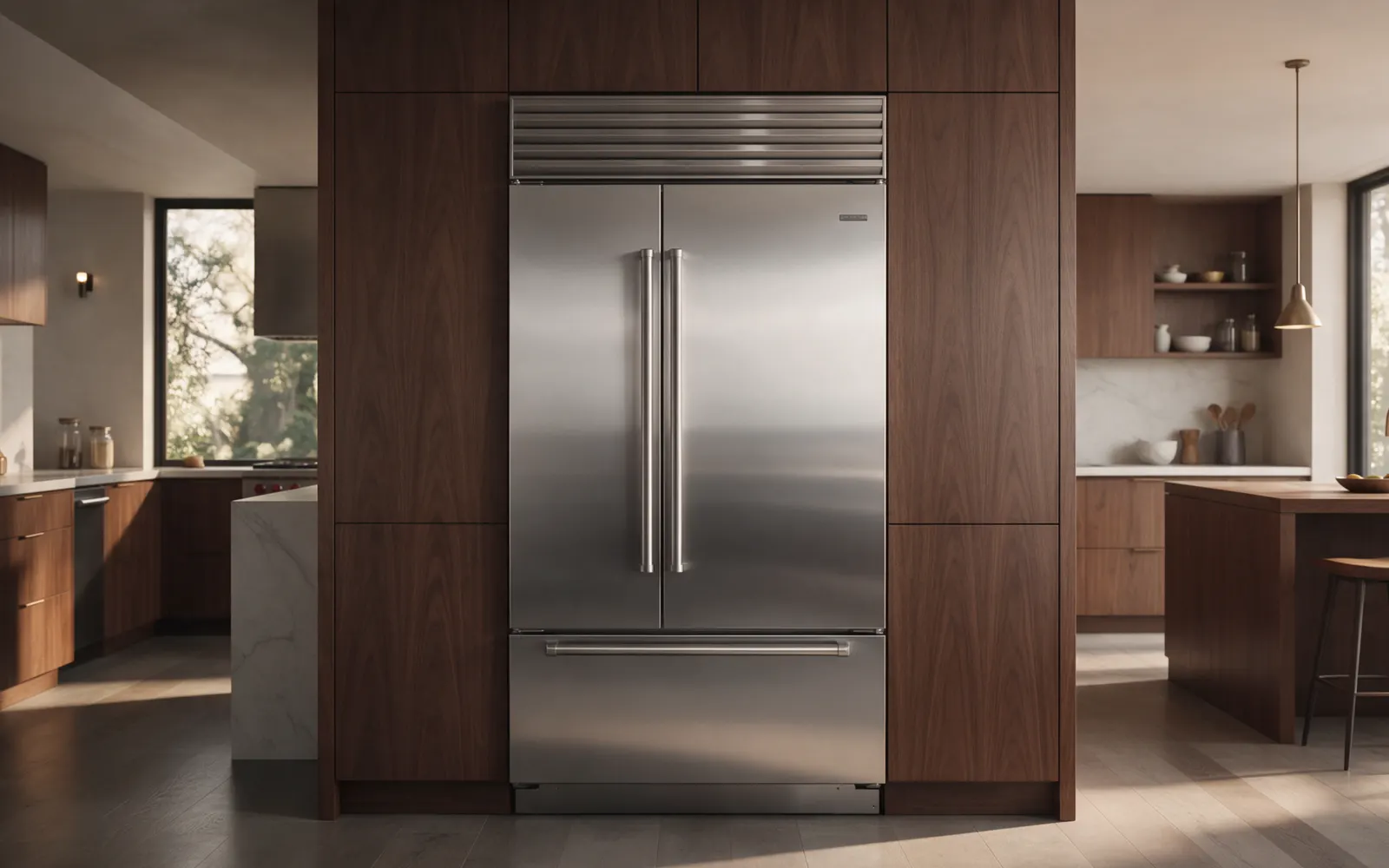
The appliance page should help users understand the product family and then move to the exact model, error-code, service, or blog layer without duplicating those pages.
What this page covers
The relevant diagnostic scope can include temperature, airflow, fans, door sealing, frost/defrost behavior, sensing, water/ice functions, controls, compressor operation, and sealed-refrigeration performance.
A visible symptom narrows the path, but it does not identify a failed part by itself. The exact Viking model determines which controls, sensors, fuel/power systems, and service documentation apply.
Common operating problems
- Built-In Side-by-Side Refrigeration. The model and operating context determine the next diagnostic step. Current examples include VCSB5424 and VCSB5484, along with panel-ready FDSB5424 and FDSB5484. The retained legacy VCSB5363SS remains a repair reference rather than current-catalog inventory.
- Freestanding Refrigeration. RVFFR336 is represented as a current freestanding French-door bottom-freezer model.
- Integrated Refrigeration. This symptom can involve more than one system. Current integrated models include FDREIC7240, FDREIC7300 and FDREIC7360 all-refrigerator units plus FDBMIC7360 bottom-freezer refrigeration.
- Integrated Freezer Columns. Record when it happens and what still works normally. FDFZIC7180, FDFZIC7240, FDFZIC7300 and FDFZIC7360 are represented in the current model inventory.
- Refrigerator Runs Constantly. The model and operating context determine the next diagnostic step. Long run time can follow door use or temperature recovery, but persistent operation with abnormal temperatures deserves diagnosis.
- Water Appears Under or Inside the Unit. Water source, location, and timing matter. Drainage, condensation, water/ice systems, or door conditions may be involved depending on model.
- Ice Changes. This symptom can involve more than one system. Slow production, small or hollow cubes, clumping, or no ice should be paired with freezer-temperature and water-supply observations.
- Alarm or Indicator Appears. Record when it happens and what still works normally. Record the exact warning before clearing it.
Model-aware diagnosis
Related Viking models include:
Use the complete rating-label model whenever possible.
Error-code and alarm context
Related codes and alarms include:
Platform-specific refrigeration records only
- refrigerator
E1meanings remain platform-specific; - older oven
F1is not EOC4F01; - cooktop
FCandFcremain case-sensitive separate codes; - maintenance displays should not automatically be labeled hardware failures.
Safe owner-level checks
Owner checks should remain external, observable, and reversible.
Depending on the appliance, that can include:
- recording the exact symptom before resetting;
- checking user-removable or owner-accessible parts described by the manual;
- comparing one burner, zone, compartment, cycle, or mode with another;
- noting recent cleaning, power, loading, plumbing, or weather changes;
- saving any code, alarm, or flash pattern before a normal documented reset.
Do not open sealed refrigeration systems, connect gauges, handle refrigerant, or move heavy built-in refrigeration without planned service access.
When to stop using the appliance
Stop normal use for gas odor, smoke, visible arcing, persistent burning/electrical odor, repeated breaker trips, uncontrolled heat, water reaching electrical components, dangerous flame behavior, damaged glass or interlocks, or another unsafe condition relevant to the appliance.
Do not keep restarting the product simply to see whether the symptom returns.
What professional diagnosis may involve
A technician should confirm the exact model and configuration first, then evaluate the system indicated by the symptom and any verified code.
The diagnostic path may compare:
- utilities and installation;
- sensors and switches;
- controls and communication;
- heating, cooling, ignition, water, airflow, or mechanical operation;
- wiring/connectors;
- protected internal components that are not owner-serviceable.
The repair recommendation should follow test results.
Current and legacy context
Viking’s model library includes current official products and retained legacy/site-only records. Current and legacy appliances can look similar while using different controls or technical documentation.
Use this appliance reference before service
Send:
- full Viking model number;
- exact symptom;
- code/alarm if present;
- affected function;
- what still works normally;
- safe checks completed;
- service ZIP code;
- access details.